

Camera robots that follow the music.
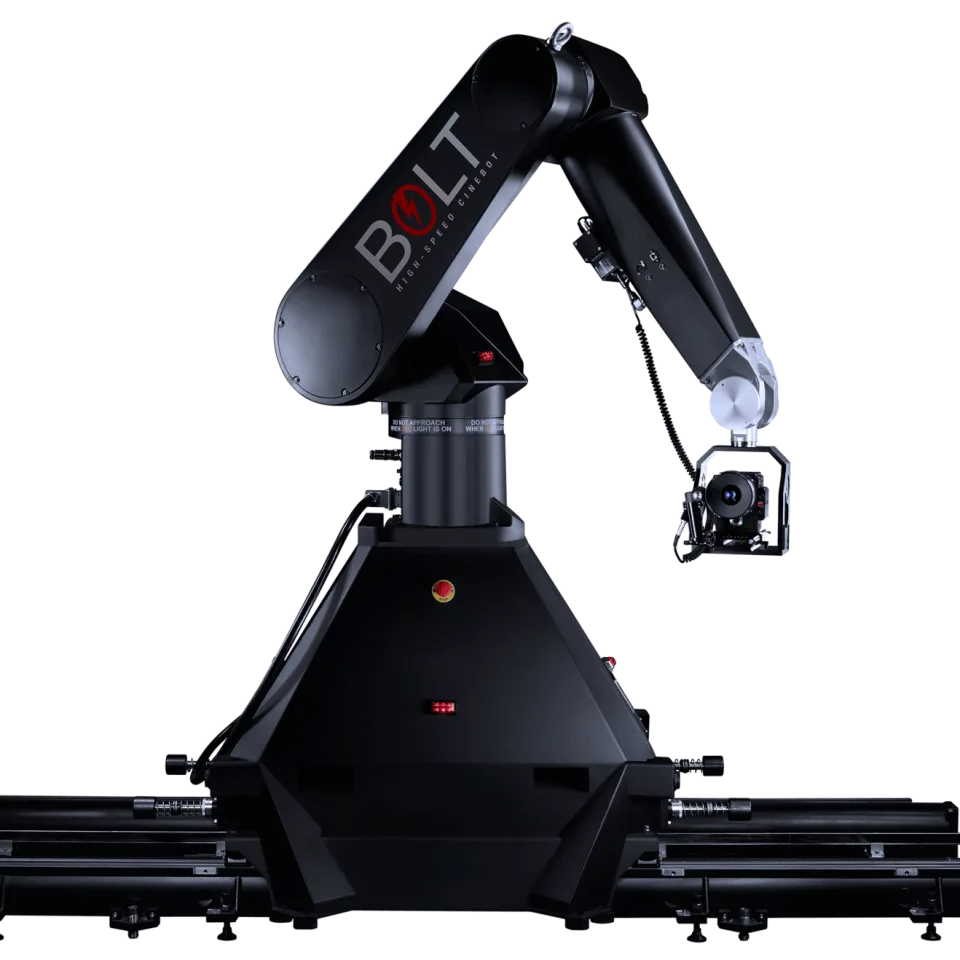
Robot camera rigs already shoot slow motion on red carpets and at brand events. They don't hear the music: every move is set by hand, and the clip is cut to the track afterwards. We're researching how a track's tempo, phrases and drops could time the move instead, so the footage comes out on the beat.
Research only. Nothing to book or install yet.
Why we're looking at this.
Discovery runs on short video.
Electronic music grew 7% in 2025, to $15.1 billion. The industry report names TikTok and SoundCloud as key engines for discovery, so artists and events need more video, faster.
Source: IMS Business Report 2026, via MusicTechAmsterdam has the moment.
ADE 2025 brought nearly 3,500 artists, more than 1,200 events and 600,000 visitors to Amsterdam.
Source: Amsterdam Dance EventCrews are hard to find.
Labour shortage is the biggest challenge named in a 2025 survey of live event professionals, and 82% of them expect crew costs to rise.
Source: LASSO State of the Industry 2025Robots near people get new rules.
The EU Machinery Regulation applies from 20 January 2027 and brings robots and AI under its rules. A robot near an audience needs a safety case first.
Source: EU-OSHAHow it could work.
We don't build robots. The part we'd add is the music layer: the same analysis that reads key, tempo and structure for SoniQ Pilot, turned into cues a rig already understands.
-
01
Track:
The artist chooses.The artist's own track, and the moment they want on camera.
-
02
Analysis:
Labs engines.Tempo, bars, phrases and the drop, found in the audio.
-
03
Cue list:
Timecode and DMX.When the move starts, how long it lasts, and when the lights change.
-
04
Rig:
Partner crew.A motion control robot fires on timecode. The operator stays in charge.
-
05
Clip:
Ready to review.Slow motion already on the beat, for the artist to keep or bin.
A worked example.
A track at 125 BPM. Four bars last 7.68 seconds. Shot at 250 frames per second and played at 25, the footage runs ten times slower, so the robot has 0.768 seconds to make its move. Start it on the first beat of the drop, and the slow motion fills exactly four bars.
Today an editor finds that frame by hand, after the shoot. With a cue list, the clip could be ready while the artist is still in the room.
Three questions we want answered.
Can a computed move hit the drop?
A cue list from the track, a small rig on the bench, then a real one. The test: within one frame of the beat.
Do artists and labels want the clips?
A content station at a label night or showcase. Does the clip get posted, and do people ask for it again? Who owns it, and who clears the music?
Can it be safe in a room full of people?
Smaller, slower robots built to work near people, with written zone and speed rules a venue would accept.
The rigs already exist.
Motion control arms, cablecams and drones already work on film sets, at festivals and on live broadcasts, run by specialist crews. We don't plan to own or rent out robots. We'd work with the people who run them.
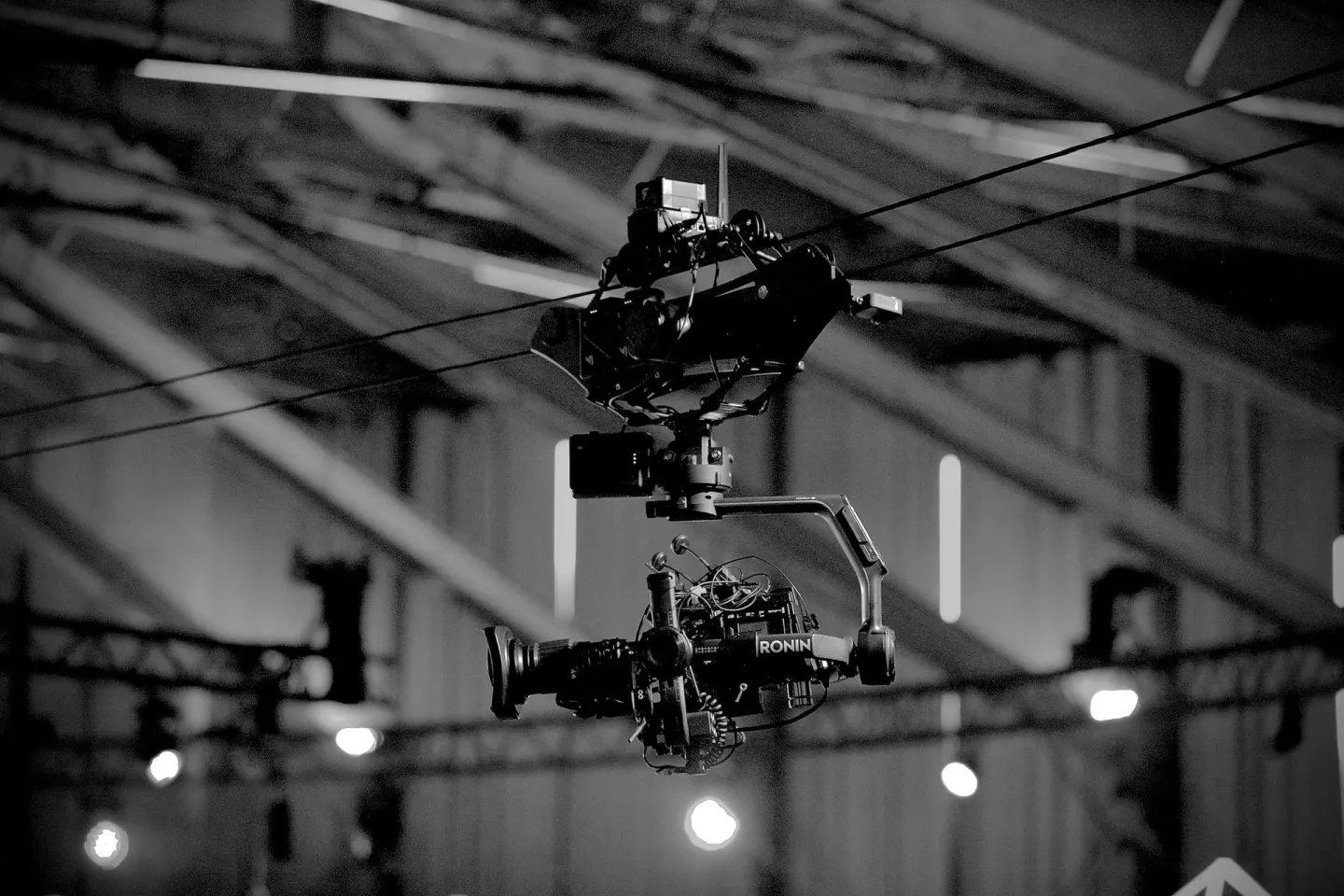
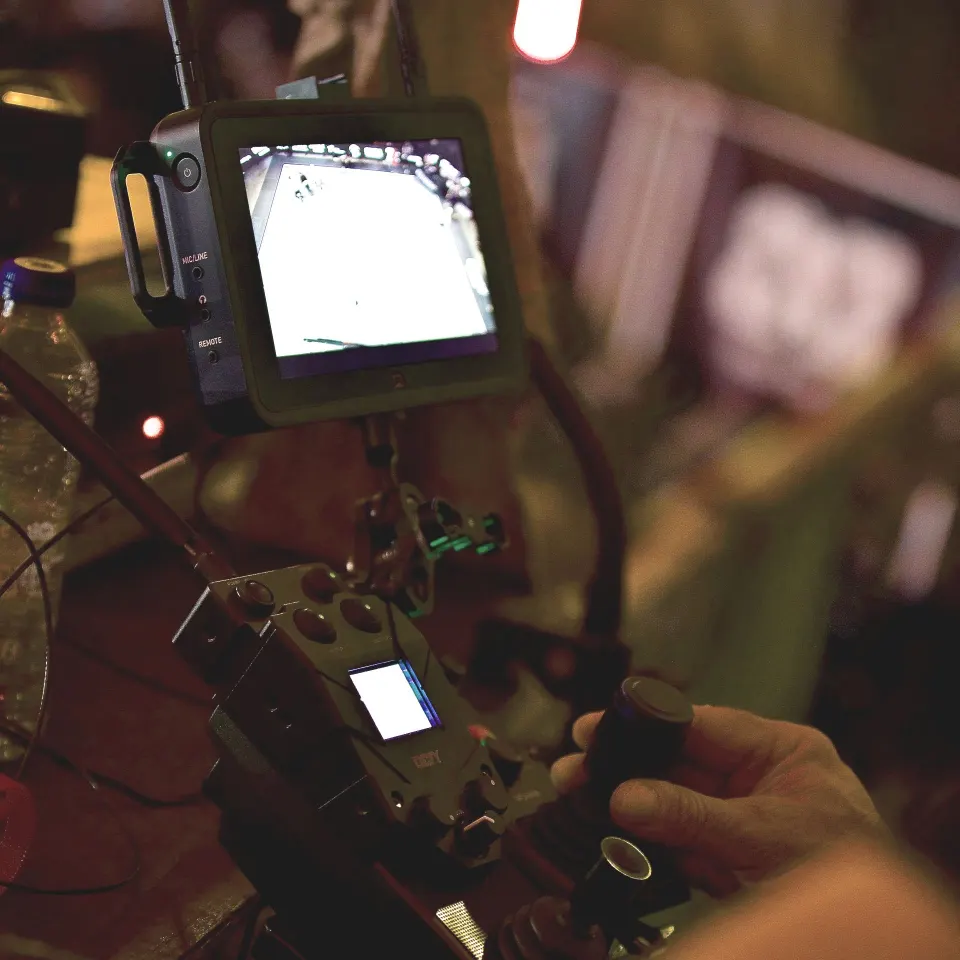
Rig photos by CineRebels, Amsterdam, used with permission.
What stays human.
The artist chooses the track, the moment, and whether a clip is used. The operator keeps control of the rig. The robot doesn't decide what's good.
What happens next.
- Conversations during ADE with artists, labels, promoters and motion control crews.
- A bench prototype, only if those conversations say the problem is real.
- Pilots with labels and promoters, and a written safety case for robots near people.
This is a plan, not a promise. Exploring projects can change direction or stop, and we'll say so here.
Run motion control rigs, make music or put on events? Tell us what a robot that hears the track should do.
Write to Labs about Robotics Lab